



Everything you need to complete large 2-D and 3-D seismic interpretation projects, >20 times faster than legacy software
Unique solutions to model lamina and outcrop scales heterogeneity and seamlessly integrated with seismic scale reservoir models within one project
Easy-to-use workflows for integrating seismic inversions, well data and make reservoir property grids and maps
Fast interpretation of core photos to deliver “ground-truth” logs of litho-facies, Vshale, porosity and permeability.
Interactively calculation of seismic attributes with data conditioning, seamless integration with well data and reservoir modeling
Advanced 4-D visualization and SRV estimation within fracking stage, evaluate parent-child relations in horizontal drilling
Full-cycle workflow solution for CO2 storage site selection, reservoir mapping and characterization, modeling and leakage monitoring
Build local rock physics templates (RPT) for fast QI interpretation of seismic inversion volumes
Fit-for-purse ML workflows built for integrating production data and near-wellbore seismic attributes for predicting sweet spots and future production
Phone numbers of subsurfaceAI support teams. Request for more information from us
Published case studies listed by products
Recommend hardware, operating systems & cloud
Published case studies listed by reservoir types
Training topics and schedule
List of published technical references and case studies
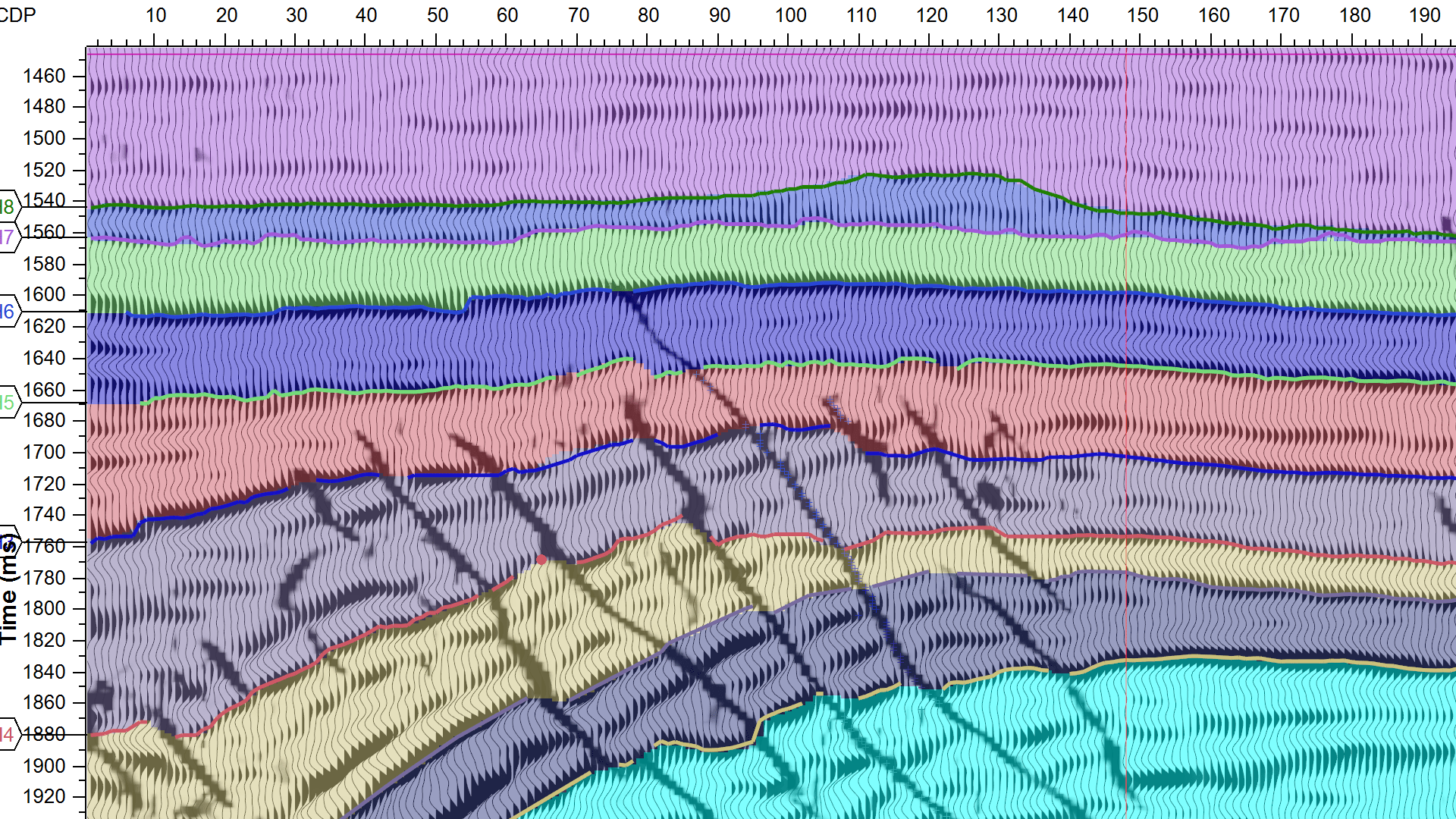
interpAI is designed to enhance seismic interpretation productivity without replacing interpreters. interpAI learns from your interpretation experience and enables you to achieve remarkable productivity gains of 20-200 times. With our solution, you can complete large 2-D and 3-D seismic interpretation projects in days instead of months.
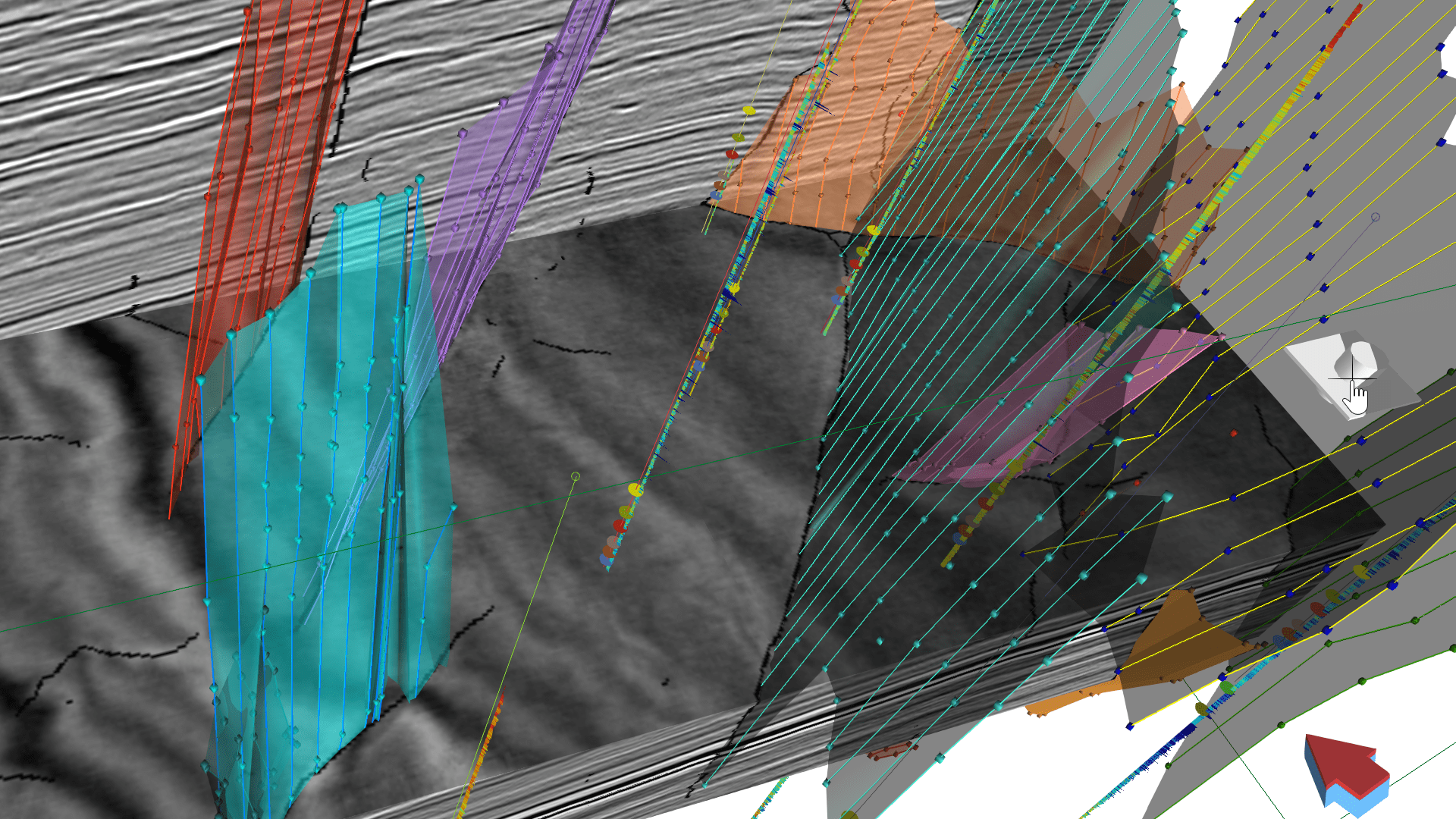
Our advanced AI-derived fault probability volume transcends the capabilities of traditional seismic attributes by meticulously detecting faults and accurately delineating the boundaries of channels and geobodies as distinct entities.
This sophisticated technology simplifies the process, allowing users to effortlessly transform fault probability volumes into detailed fault surfaces or comprehensive fault stick sets suitable for intricate structure modeling. This innovative approach ensures a more precise and efficient exploration of subsurface structures, enabling geologists and engineers to achieve superior results with minimal effort.