
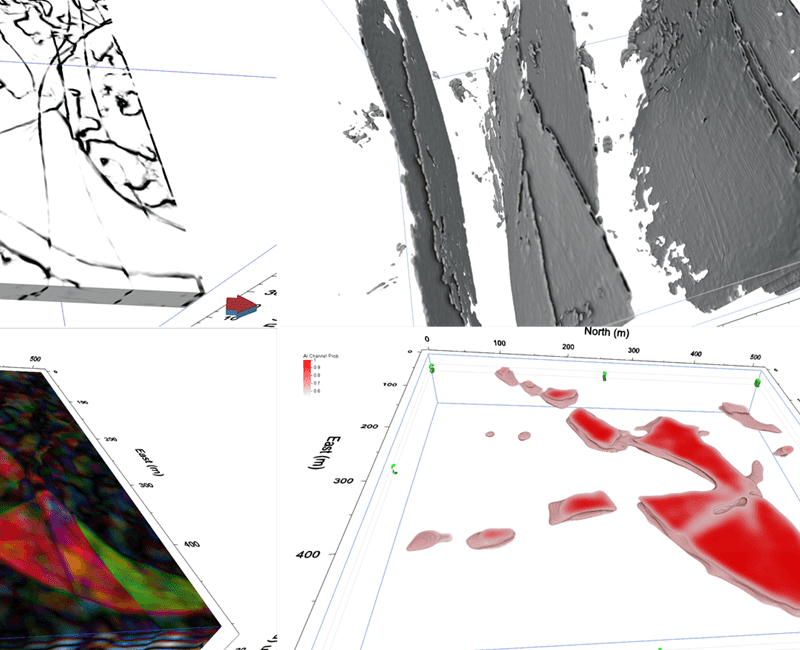
Seismic Attributes in the Age of AI: Why They Matter More Than Ever Published: February 2, 2026Author: subsurfaceAI Artificial intelligence(AI) is transforming seismic interpretation. Tasks that once took weeks—fault detection, channel mapping, facies classification, geobody extraction—can now be accelerated with AI models that generate consistent, survey-wide results. It’s a major...
Attribute Calculators for Seismic Interpreters in SubsurfaceAI
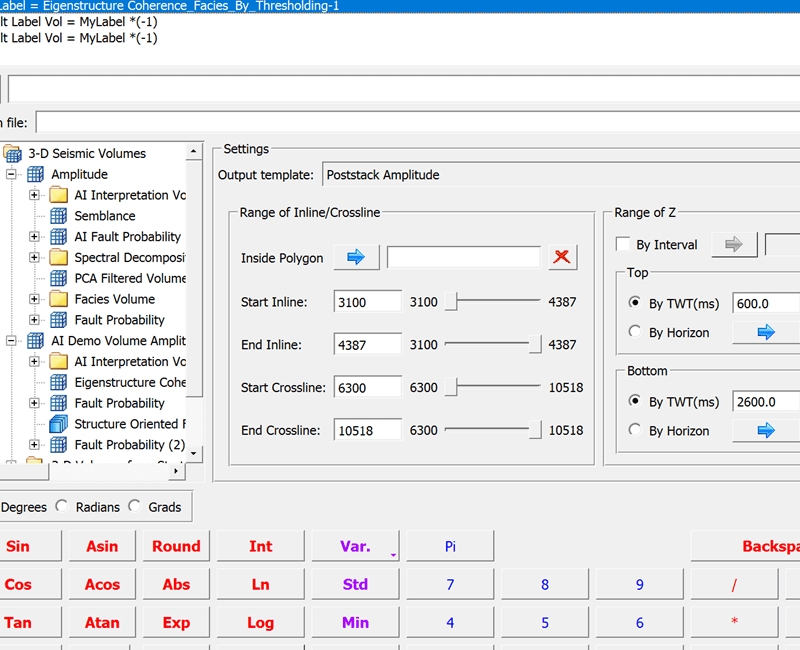
Attribute Calculators for Seismic Interpreters in SubsurfaceAI Published: January 28, 2026Author: subsurfaceAI Modern seismic interpretation increasingly relies on quantitative analysis rather than purely qualitative pattern recognition. Interpreters are expected not only to visualize seismic data but also to manipulate, transform, and integrate multiple attributes, elastic properties, and well-derived measurements to...
Unlocking the Full Power of Subsurface Data with Advanced 2-D Cross Plotting in SubsurfaceAI
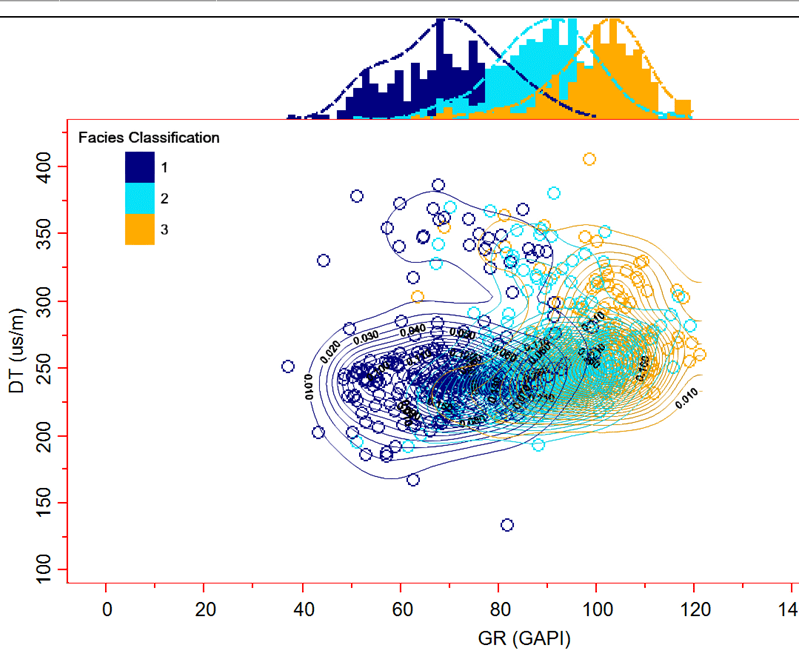
Unlocking the Full Power of Subsurface Data with Advanced 2-D Cross Plotting in SubsurfaceAI Published: January 28, 2026Author: subsurfaceAI Cross plotting has long been one of the most fundamental tools in subsurface data analysis. From classic porosity–permeability relationships to multi-attribute seismic interpretation, 2-D cross plots provide the essential link between...
Rock Physics Models (RPM) and Rock Physics Templates (RPT)
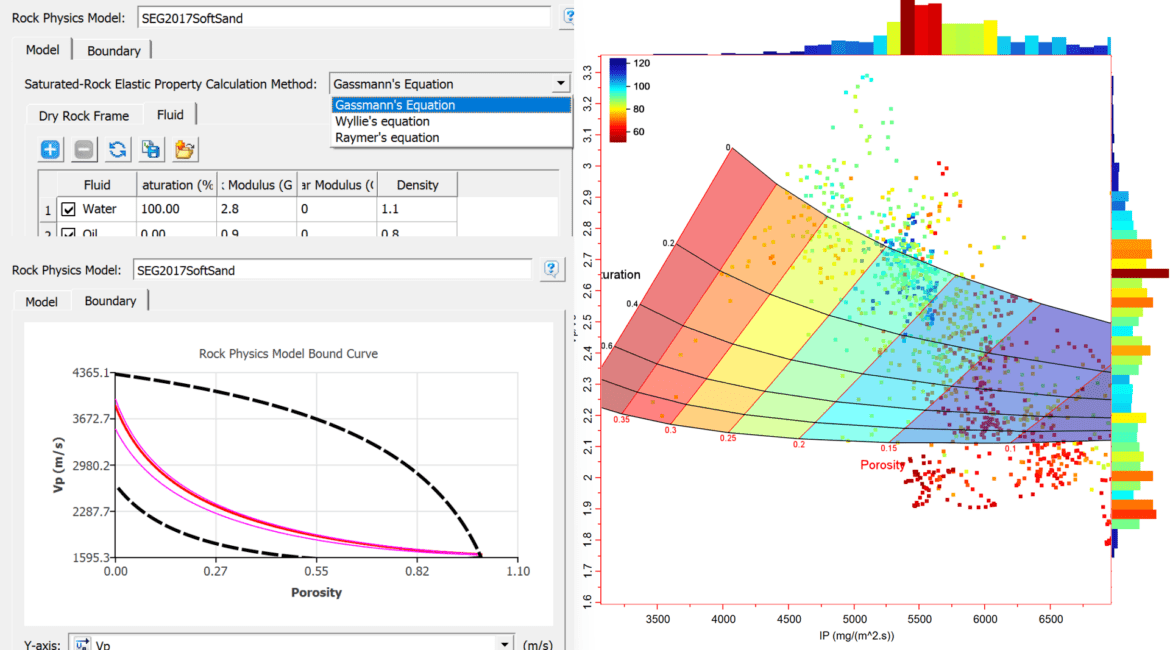
Rock Physics Models (RPM) and Rock Physics Templates (RPT) Published: January 4, 2026Author: subsurfaceAI A Practical Guide for Seismic Interpreters — and How SubsurfaceAI Makes Them Easy to Use Seismic interpreters work under a familiar constraint: the subsurface never shows itself directly. We infer geology from band-limited seismic signals, and...
Rock Physics for Seismic Interpreters – Volve Case Study
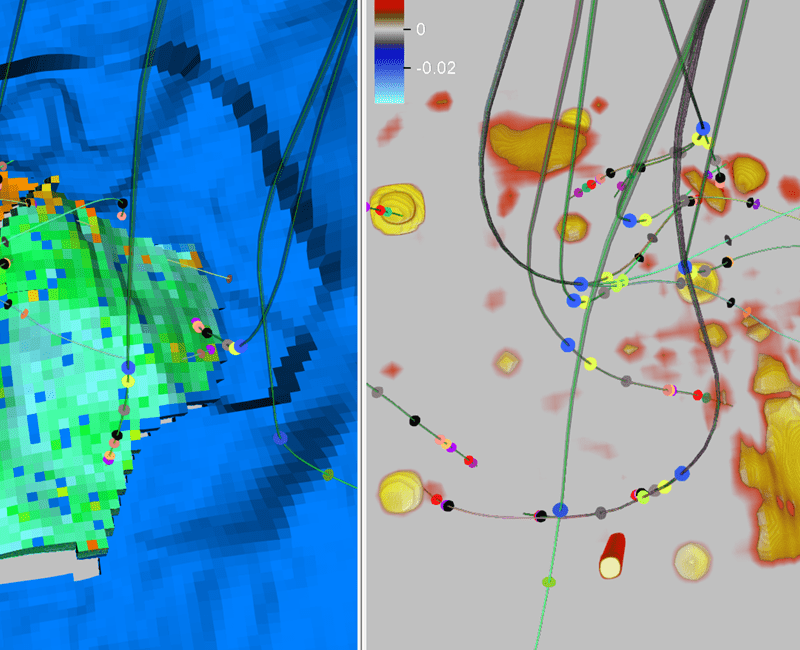
Rock Physics for Seismic Interpreters – Volve Case Study Published: December 17, 2025Author: subsurfaceAI Validating Dynamic Reservoir Simulation Using Rock Physics Modeling in SubsurfaceAIWhen Equinor and its partners released the full Volve field dataset to the public, they provided something unique: a complete, real-world North Sea oil field, from seismic...
Rock Physics for Seismic Interpreters – Part 2
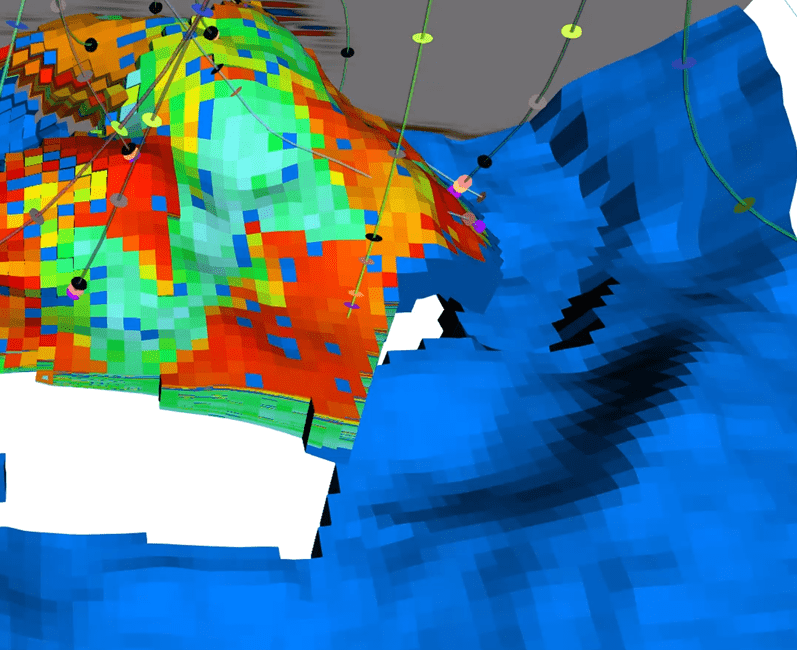
Rock Physics for Seismic Interpreters – Part 2 Published: December 17, 2025Author: subsurfaceAI Validate Static and Dynamic Reservoir Models Through Rock Physics Modeling(Revised and expanded version, replacing your original Part 2 article.)Rock Physics Modeling-Part 2Introduction: From Concept to Physics-Based Reservoir ValidationIn Part 1 of this series, we introduced the core...
Technical Supplement: AVO Theory, Derivations, Angle Treatment, Stability, and Examples for SubsurfaceAI Partial-Stack AVO
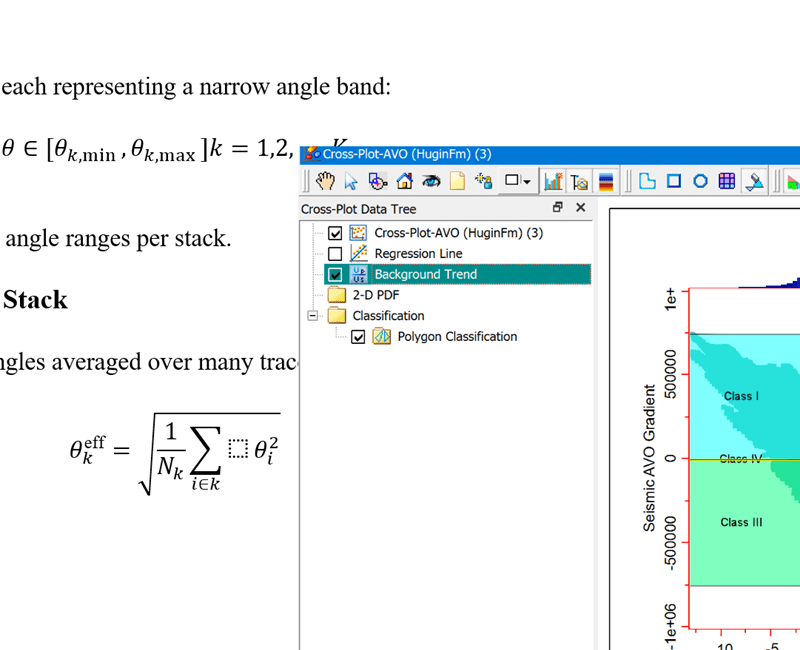
Technical Supplement: AVO Theory, Derivations, Angle Treatment, Stability, and Examples for SubsurfaceAI Partial-Stack AVO Published: December 5, 2025Author: subsurfaceAI This document provides the mathematical and geophysical foundations behind SubsurfaceAI’s AVO calculation using partial stacks. It elaborates the equations and assumptions behind estimating intercept and gradient from angle/offset-limited stacks, demonstrates the...
Rock Physics for Seismic Interpreters: Part 1
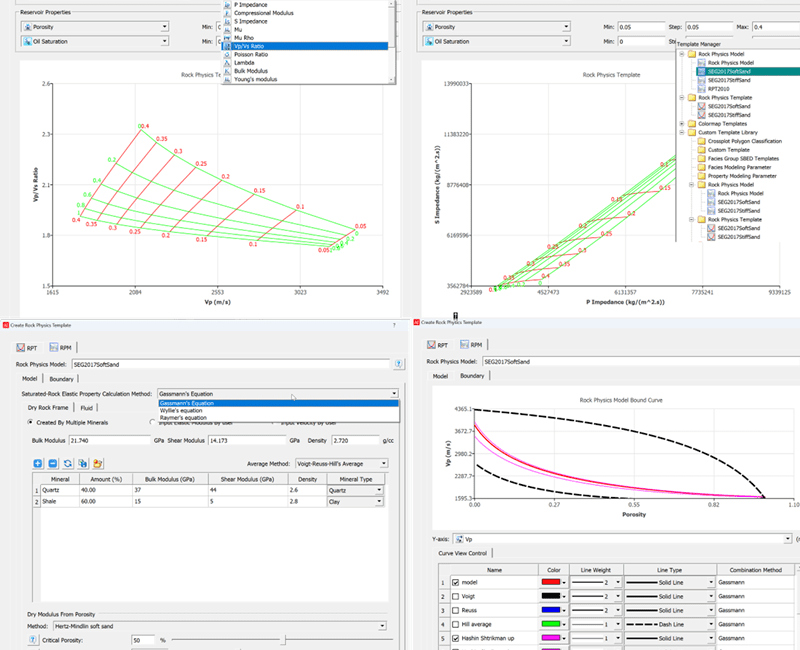
Rock Physics for Seismic Interpreters: Part 1 Published: December 4, 2025Author: subsurfaceAI Bringing Rock Physics Into Everyday Seismic Interpretation With SubsurfaceAIRock physics is the scientific foundation that links subsurface reservoir properties—porosity, lithology, fluids, pressure—to the seismic responses we observe in the field. Yet for most seismic interpreters, rock physics has...
AVO Analysis in SubsurfaceAI from Partial Stacks
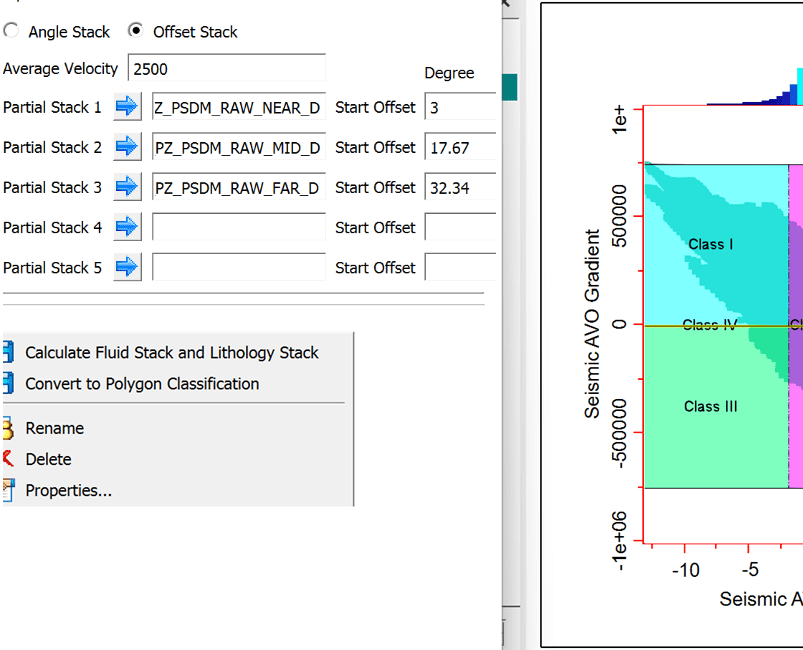
AVO Analysis in SubsurfaceAI from Partial Stacks Published: December 4, 2025Author: subsurfaceAI Easy, Integrated Workflow for Interpretation Geophysicists – and How It Compares to Pre-Stack GathersAmplitude Variation with Offset (AVO) is a powerful way to connect seismic amplitude behavior to changes in rock and fluid. In many teams, though, AVO...
Rule-Based Reservoir Modeling – Part 3: Dynamic Testing of Rule-Based Point-Bar Reservoir Models
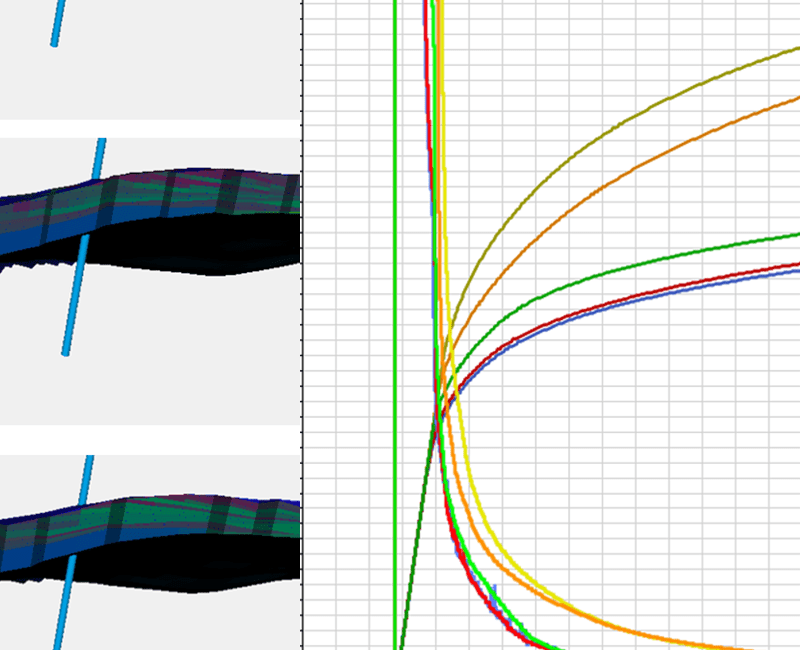
Rule-Based Reservoir Modeling – Part 3: Dynamic Testing of Rule-Based Point-Bar Reservoir Models Published: December 4, 2025Author: subsurfaceAI AbstractIn the first two parts of this series, we introduced the motivation and methods behind rule-based reservoir modeling. Part 1 presented the core philosophy—representing geological heterogeneity that controls fluid flow—while Part 2...
