
Webinar: What's New in subsurfaceAI 2026.1 Date: Wednesday, June 10, 2026 Time: 10:00 AM – 11:00 AM MDT Click here to register the webinar Join us for a live webinar showcasing the latest capabilities introduced in subsurfaceAI 2026.1. This release introduces rockPhysicsAI, a new package that brings rock physics...
subsurfaceAI 2026.1 Release
subsurfaceAI 2026.1 Release Published: May 8, 2026Author: subsurfaceAI Advancing Quantitative Interpretation with rockPhysicsAICalgary, Alberta- We are pleased to announce the release of SubsurfaceAI 2026.1, delivering important advancements in integrating rock physics, seismic interpretation, and reservoir characterization within a unified workflow. This release introduces rockPhysicsAI, a powerful new package that brings...
subsurfaceAI named a Darcy Partners Best of 2025 Top 10 Innovator
subsurfaceAI named a Darcy Partners Best of 2025 Top 10 Innovator Published: February 19, 2026Author: subsurfaceAI subsurfaceAI Inc. is pleased to share that we have been named a Darcy Partners Best of 2025 Top 10 Innovator in subsurface space. For our team, this recognition is more than a badge —...
Faults and Reservoir Properties in the Montney – Webinar
Webinar: Faults and Reservoir Properties in the Montney: Leveraging AI and Predictive Technologies Presented by: Mantu Sihota, P. Geo. Date: Wednesday, February 25, 2026 Time: 9am - 10am MST Click here to register the webinar The Montney play contains a dense network of major and minor faults across its...
Seismic Attributes in the Age of AI: Why They Matter More Than Ever
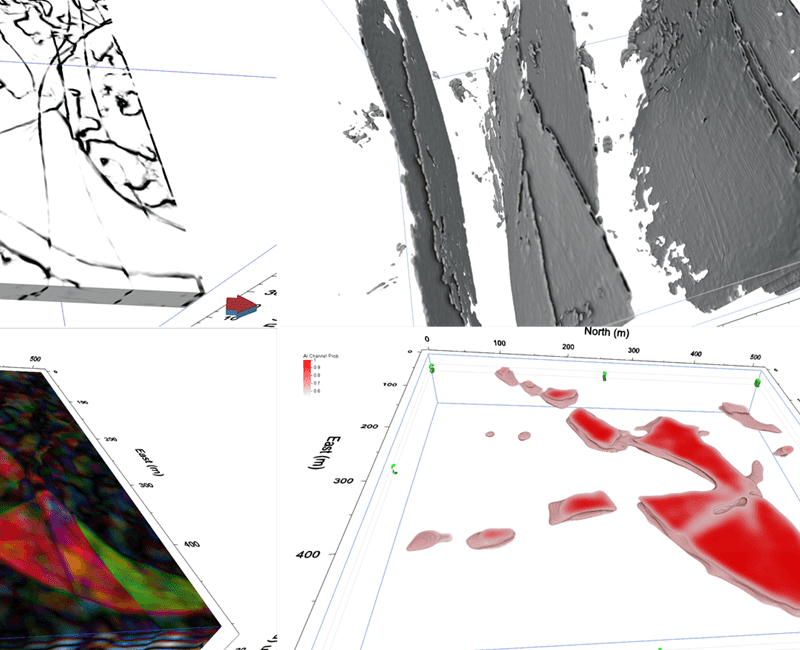
Seismic Attributes in the Age of AI: Why They Matter More Than Ever Published: February 2, 2026Author: subsurfaceAI Artificial intelligence(AI) is transforming seismic interpretation. Tasks that once took weeks—fault detection, channel mapping, facies classification, geobody extraction—can now be accelerated with AI models that generate consistent, survey-wide results. It’s a major...
Attribute Calculators for Seismic Interpreters in SubsurfaceAI
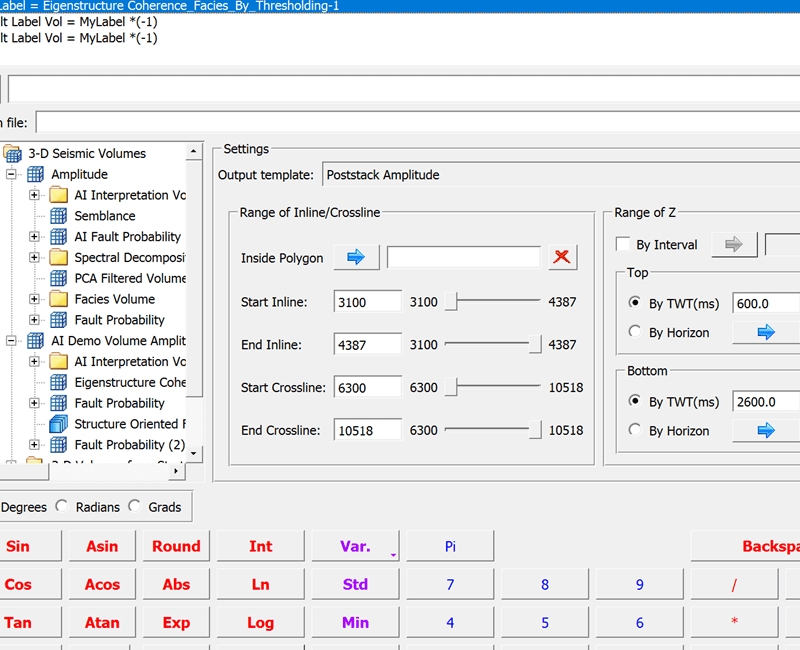
Attribute Calculators for Seismic Interpreters in SubsurfaceAI Published: January 28, 2026Author: subsurfaceAI Modern seismic interpretation increasingly relies on quantitative analysis rather than purely qualitative pattern recognition. Interpreters are expected not only to visualize seismic data but also to manipulate, transform, and integrate multiple attributes, elastic properties, and well-derived measurements to...
Unlocking the Full Power of Subsurface Data with Advanced 2-D Cross Plotting in SubsurfaceAI
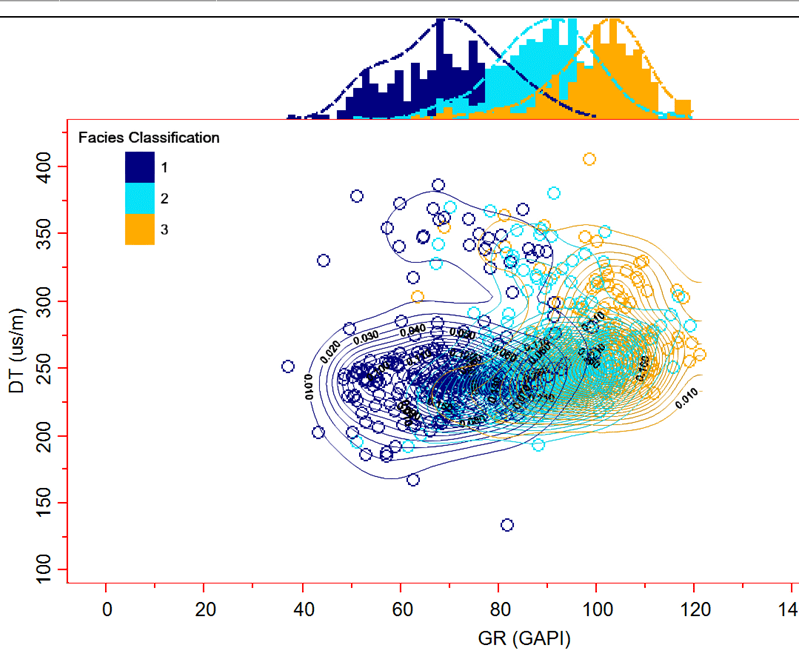
Unlocking the Full Power of Subsurface Data with Advanced 2-D Cross Plotting in SubsurfaceAI Published: January 28, 2026Author: subsurfaceAI Cross plotting has long been one of the most fundamental tools in subsurface data analysis. From classic porosity–permeability relationships to multi-attribute seismic interpretation, 2-D cross plots provide the essential link between...
Rock Physics Models (RPM) and Rock Physics Templates (RPT)
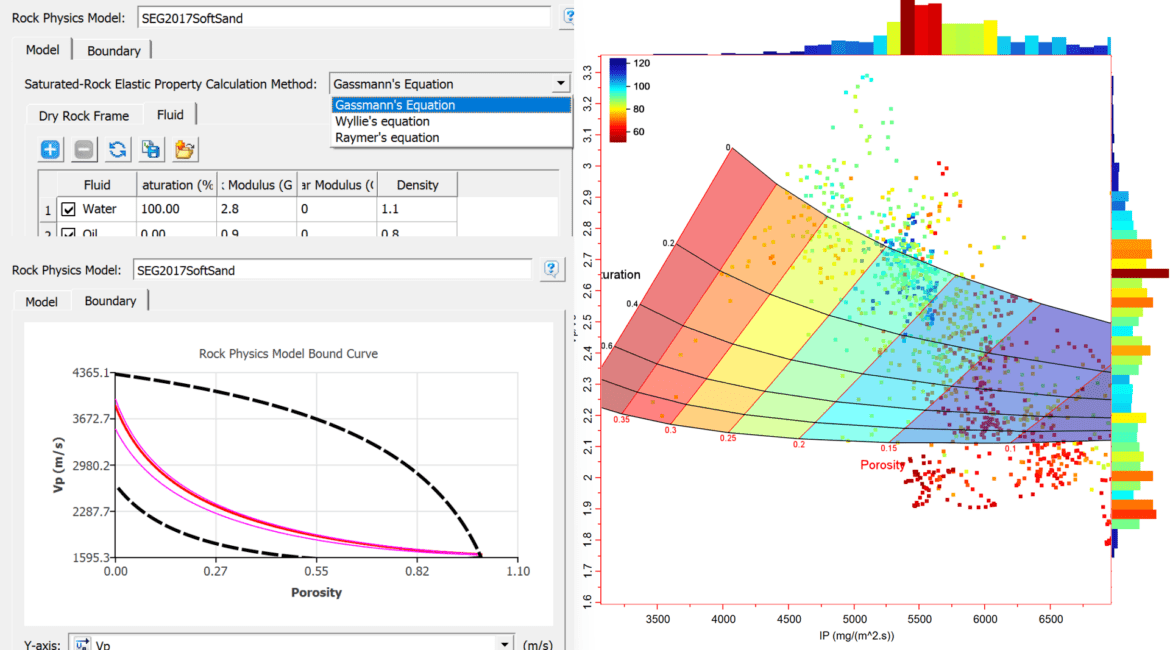
Rock Physics Models (RPM) and Rock Physics Templates (RPT) Published: January 4, 2026Author: subsurfaceAI A Practical Guide for Seismic Interpreters — and How SubsurfaceAI Makes Them Easy to Use Seismic interpreters work under a familiar constraint: the subsurface never shows itself directly. We infer geology from band-limited seismic signals, and...
Rock Physics for Seismic Interpreters – Volve Case Study
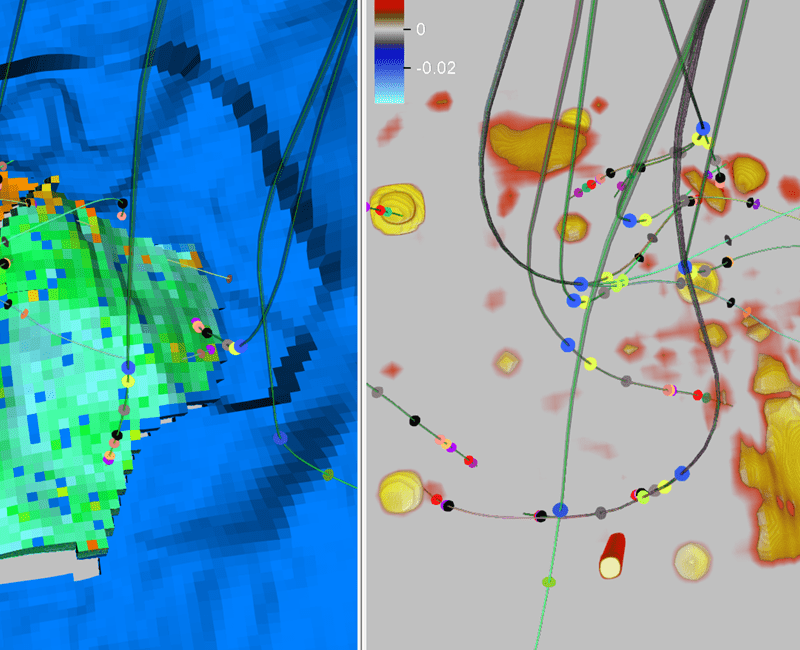
Rock Physics for Seismic Interpreters – Volve Case Study Published: December 17, 2025Author: subsurfaceAI Validating Dynamic Reservoir Simulation Using Rock Physics Modeling in SubsurfaceAIWhen Equinor and its partners released the full Volve field dataset to the public, they provided something unique: a complete, real-world North Sea oil field, from seismic...
Rock Physics for Seismic Interpreters – Part 2
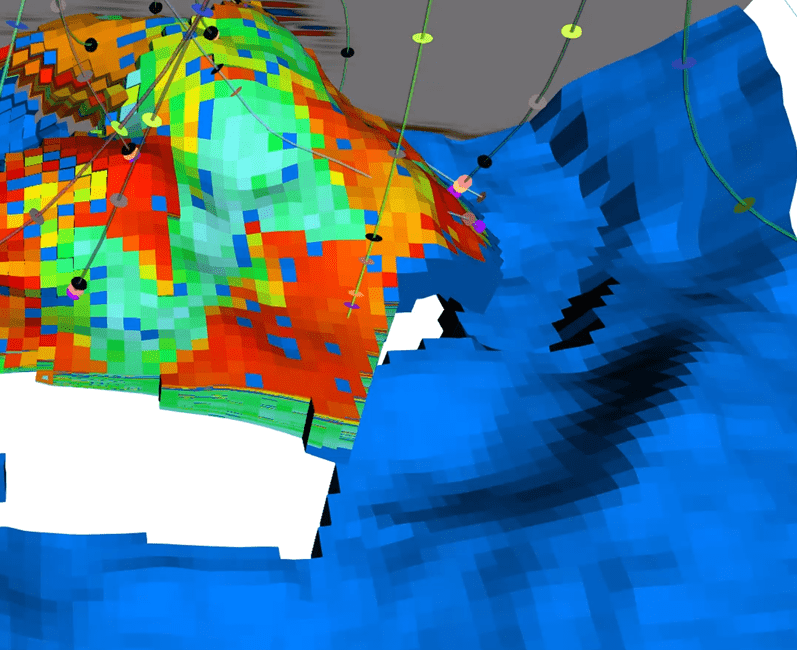
Rock Physics for Seismic Interpreters – Part 2 Published: December 17, 2025Author: subsurfaceAI Validate Static and Dynamic Reservoir Models Through Rock Physics Modeling(Revised and expanded version, replacing your original Part 2 article.)Rock Physics Modeling-Part 2Introduction: From Concept to Physics-Based Reservoir ValidationIn Part 1 of this series, we introduced the core...
